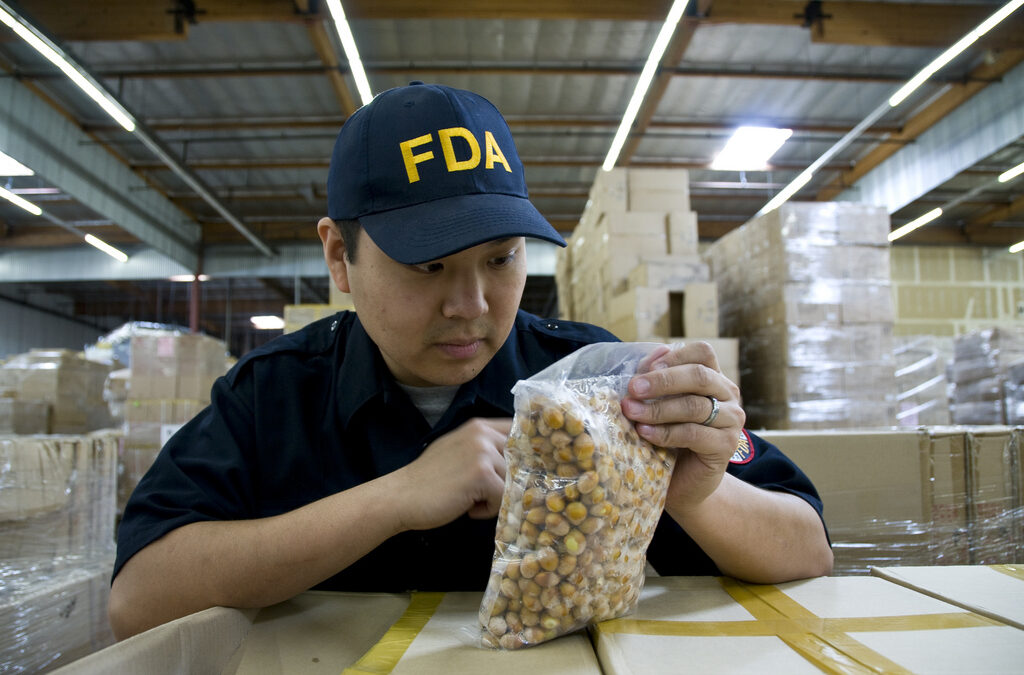
The rules are different here in the United States. Hyde Park Holistic Center in Cincinnati recently received a warning letter from the Food & Drug Administration that read like many others having to do with nutritional supplements and the H1N1 virus.
The Feds are again looking at how companies market foods to kids. Concerned by reports on child obesity, the FTC in 2010 will take a look at what the food companies sell for kids and how those products are marketed.
Although Apple's review process for iPhone apps seems to elude most developers, some help is in sight. In addition to the FCC's ongoing investigations since Google Voice was rejected by Apple, a very useful Web site was recently created to publicize the details of such rejections.
The first paragraph in the New York Times story said it all: "The Drug Enforcement Administration has classified as controlled substances three steroids that are marketed as dietary supplements, but an antidoping official warned that new steroids have taken their place on the shelves of nutrition stores."
A dispute in Canada has brought light to an emerging privacy issue over the use of Facebook photos. Nathalie Blanchard's insurance company cut her disability benefits after their agent found photos of her on vacation through Facebook.
Section 102(b) of the U.S. Patent Act prevents an inventor from getting a patent for an invention that was “described in a printed publication in this .
David Frum recently laid into the nutritional supplement industry with a guest commentary on CNN.com. The resident fellow at the American Enterprise Institute and one-time special assistant to President George W.
Several important apps developers are unhappy with Apple and the way the company is still exerting too much control over their App Store. Some developers are so frustrated with Apple and their stringent policies that they are completely halting iPhone development.
While it may seem like an innocent act, a virtual poke on Facebook could have real-world legal implications. A Tennessee court has held that a Facebook poke violated a protective order and is considered a communication with an opposing party.