Your Passion, Our Protection
More than legal protection, we’re true partners to those shaping culture through creativity.





.jpg) Bill Ingalls, Public domain, via Wikimedia Commons
Bill Ingalls, Public domain, via Wikimedia Commons
A product launch video is one of the highest-stakes pieces of content your brand will produce. It often represents months of creative work, significant production budgets, and a critical window to make a market impression. Music elevates it from a simple product demo to an emotional brand moment. Yet music is also the element most likely to expose your launch to copyright liability—and the consequences of getting it wrong can overshadow even the best-crafted creative.
Commercial video content requires two separate copyright licenses for any commercially released music:
1. The Synchronization (Sync) License — This grants the right to synchronize music with moving images. It is issued by the music publisher or songwriter and covers the underlying musical composition (the melody and lyrics). Without a sync license, your video cannot legally use the song regardless of any other permissions you may have.
2. The Master Use License — This grants the right to use the specific recorded version of a song—the actual studio recording by the original artist. It is typically issued by the record label that owns the master recording. Without a master license, you cannot use that particular recording even if you have a sync license.
Both licenses must be obtained for every piece of commercial video content. This applies to product launch videos, promotional reels, Instagram ads, TikTok paid content, YouTube pre-roll ads, and any other commercial audiovisual media.
 The Firestone Company News Bureau, Public domain, via Wikimedia Commons
The line between commercial and non-commercial use is central to music licensing on social media. Under platform terms for TikTok, Instagram, and YouTube, any content that:
...is considered commercial use. Platform music libraries (TikTok's general library, Meta's Sound Collection for business accounts) do not cover commercial use. A product launch video is, by definition, commercial content and requires independent licensing.
A public performance license may also be required if the video is played at in-person launch events, trade shows, or broadcast contexts—adding a third license obligation from a Performing Rights Organization (ASCAP, BMI, or SESAC).
Licensing fees for commercial advertising use vary widely based on song popularity, territory, duration, and distribution scope. According to industry data, typical fees for independent artists' tracks in commercial use range from a few hundred dollars for small regional campaigns to several thousand dollars for national exposure. Major commercial campaigns using well-known tracks can run from $20,000 to over $550,000 for sync fees alone.
For brands working with independent artists and music libraries, realistic budget expectations for a product launch social media campaign include:
The most cost-effective approach for frequent content producers is a subscription to a platform that offers explicit commercial advertising coverage—but read the fine print carefully to confirm that paid social ad distribution is included.
This is the trap most brands fall into. A social media manager creates a TikTok product launch video using a popular sound from TikTok's general library. The video performs well organically, so the marketing team boosts it as a paid TikTok ad. The moment it becomes a paid advertisement, the platform library license becomes invalid. The brand has now run a commercial ad with unlicensed music.
For paid social advertising, brands must use:
 Diego Delso, delso.photo, CC BY-SA 4.0, via Wikimedia Commons
In 2026, more brands are choosing to license music directly from independent artists—skipping major label bureaucracy and supporting emerging creators. Platforms like UnitedMasters SELECT and Songtradr facilitate these direct deals. This approach benefits both parties: brands get unique, on-brand music that competitors don't have, while artists receive fair compensation and commercial exposure.
For any direct licensing deal, ensure the agreement specifies: the exact track(s) covered, all platforms and territories included, the duration of the license, whether the license is exclusive or non-exclusive, and the exact types of commercial use permitted (organic posts, paid ads, broadcast, events).
Clear music rights before your product launches, not after. Copyright disputes mid-campaign are not just expensive—they derail the very momentum your launch was designed to build.
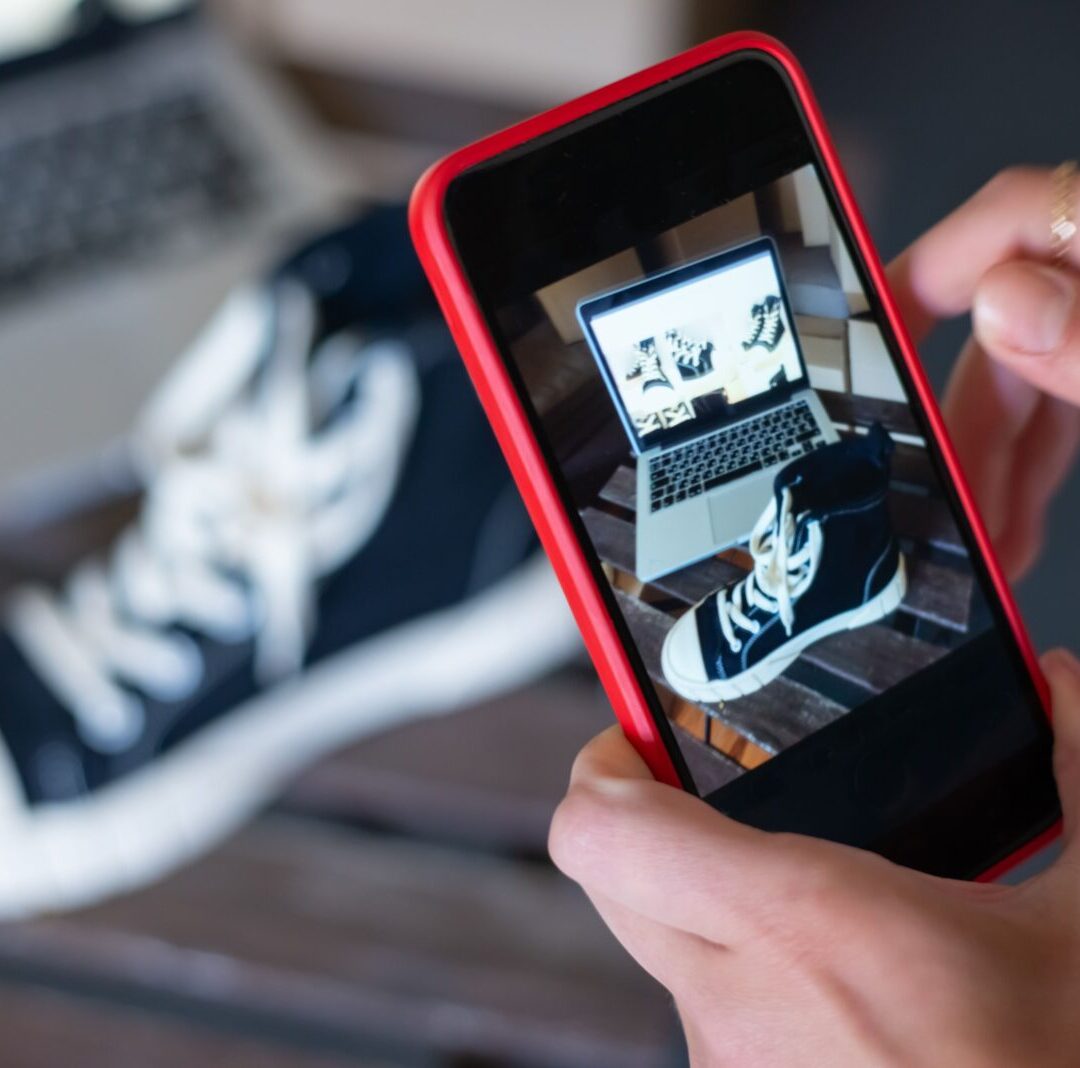
Feature Photo by Kampus Production on Pexel
From general questions to potential IP misuse, choose the option that best fits your case.
Our team will review your submission and get back to you as soon as possible.