
Your Passion, Our Protection
More than legal protection, we’re true partners to those shaping culture through creativity.





 Psychonaut, Perhelion, CC0, via Wikimedia Commons
Color plays a critical role in branding, influencing consumer perception, recognition, and purchasing decisions. From iconic packaging to instantly recognizable products, brands rely on color to stand out in competitive markets. Think of the instant recognition triggered by a robin’s egg blue box or a bold red soda can. These visual cues build trust, signal quality, and differentiate brands in crowded markets. But color is more than just a visual tool, it can also be protected as intellectual property. Under U.S. trademark law, a color can function as a trademark when it has acquired distinctiveness and consumers associate that color with a single source. For businesses investing in brand identity, understanding how to trademark a color and how others have done it successfully is essential.
A color trademark is a form of trademark protection that applies to a specific color (or combination of colors) used in connection with a particular goods or services. Unlike traditional trademarks, ‘color marks’ cannot be inherently distinctive; they must acquire “secondary meaning,” defined as consumers directly associate the color with a brand.
To successfully register a color trademark, companies typically must:
.jpeg)
Matthew Bellemare, CC BY-SA 3.0, via Wikimedia Commons
Many well-known brands have successfully secured trademark protection for their signature colors, reinforcing their market identity and preventing competitors from using similar visual cues.
In the pink category, Barbie Pink (Pantone 219C) is synonymous with Mattel’s flagship brand and has seen renewed cultural relevance in recent years. Owens-Corning’s pink insulation (Pantone 210) stands out in a functional product category and is reinforced through its association with the Pink Panther character. T-Mobile’s “New Magenta” has become a defining feature of its bold, disruptive branding in the telecommunications industry.
Red is one of the most competitive branding colors, yet several companies have established strong trademark rights. Coca-Cola Red (Pantone 484C) is one of the most recognizable colors in the world, closely tied to the company’s identity. Christian Louboutin secured trademark protection for its red lacquered shoe soles (Pantone 18-1663TP), illustrating how color trademarks can apply to specific product features. Brands like Heinz also rely on red to reinforce consumer familiarity in the food industry.
Orange is widely used in retail and food branding due to its energy and visibility. Home Depot’s orange (Pantone 165C) is instantly recognizable in the home improvement sector, while Reese’s orange (Pantone 158C) dominates candy packaging. The University of Texas has also built a powerful brand identity around its burnt orange (Pantone 159C), demonstrating the importance of color in institutional branding.
Yellow is often associated with visibility and optimism, making it ideal for both industrial and consumer products. Caterpillar’s yellow (Pantone 109C) enhances safety and brand recognition in heavy equipment. Post-it Notes (Pantone 114C) are a classic example of color-driven brand recognition in office supplies. Slip ’N Slide (Pantone 123C) uses bright yellow packaging to stand out in the toy market.
Green is frequently linked to growth, sustainability, and reliability. John Deere’s green (Pantone 364C) is deeply embedded in agricultural equipment branding. Starbucks’ green (Pantone 3425C) reinforces consistency and familiarity across its global presence. Even fictional branding, such as the Wicked Witch’s green skin from The Wizard of Oz, demonstrates how color can become an enduring identifier.
Blue is often associated with trust and prestige. Tiffany Blue (1837 Blue) has been a registered trademark since 1998 and remains one of the most tightly controlled brand colors in the world. Carolina Blue (Pantone 297C) and Boise State Blue (Pantone 286C) highlight how universities use color to build strong brand recognition, from merchandise to athletic programs.
Purple is commonly used to signal luxury and exclusivity. Cadbury’s purple (Pantone 2685C) has been the subject of significant legal disputes, underscoring the value of color trademarks in competitive markets. Hallmark uses purple to distinguish premium products, while the Los Angeles Lakers’ purple (PMS 268) is central to the team’s global brand identity.
 Sindugab, CC BY-SA 4.0, via Wikimedia Commons
Trademarking a color provides several strategic advantages:
However, obtaining and enforcing a color trademark can be complex. Businesses must carefully document use, maintain consistency, and be prepared to defend their rights against infringement.
Color is one of the most powerful tools in modern branding and one of the most overlooked forms of intellectual property. As these examples demonstrate, companies that successfully protect their brand colors gain a lasting competitive edge. Our team helps businesses secure trademark protection for distinctive brand elements, including colors, logos, and trade dress.
If your company is investing in branding, we can guide you through the process of protecting those assets and enforcing your rights in a competitive marketplace.
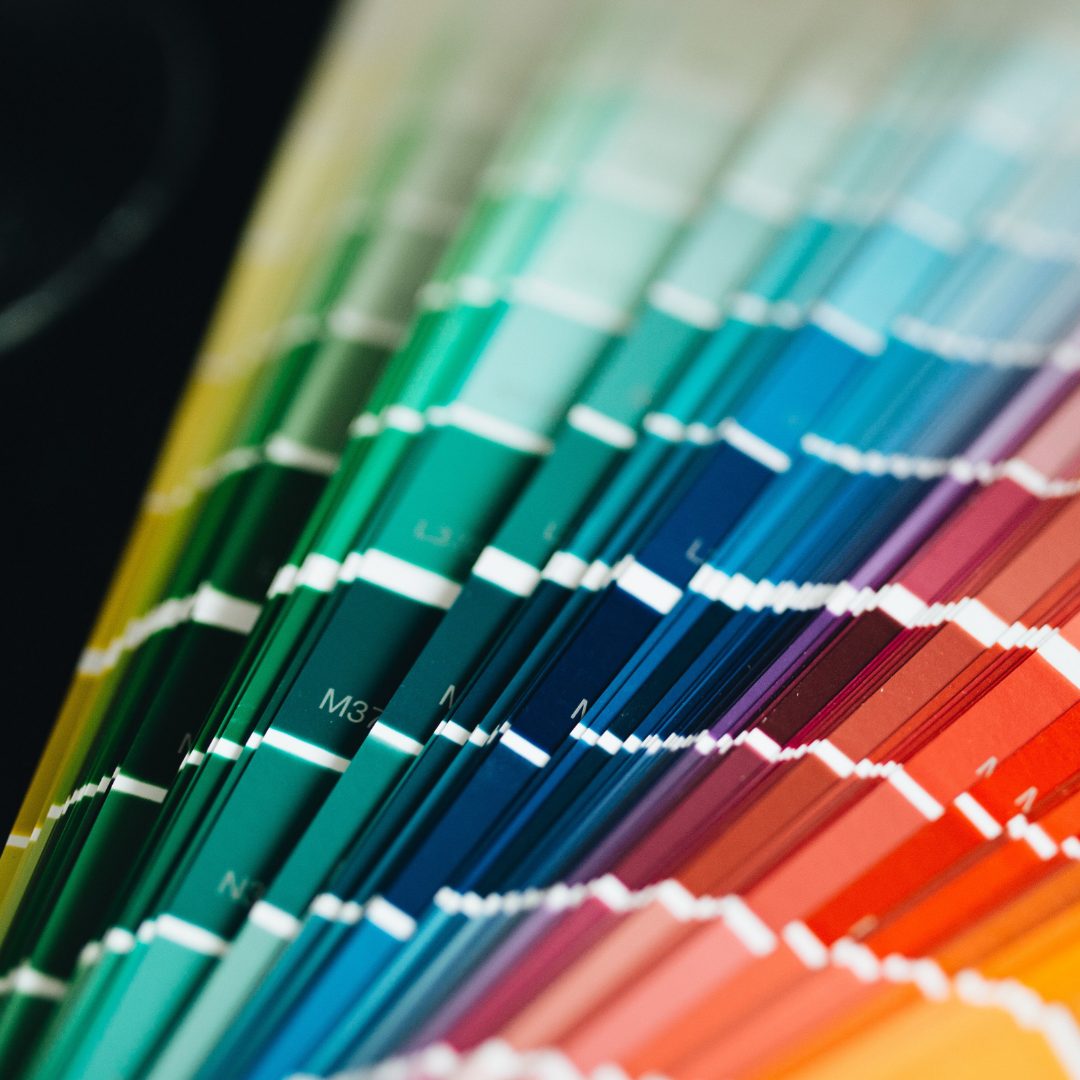
Feature image by Peter Olexa in Pexels
From general questions to potential IP misuse, choose the option that best fits your case.
Our team will review your submission and get back to you as soon as possible.