Your Passion, Our Protection
More than legal protection, we’re true partners to those shaping culture through creativity.





Imagine this scenario: a mid-size influencer with 800,000 followers posts a product review video featuring your original track—a song you wrote, recorded, and independently released—as background music. The video earns the influencer $12,000 in ad revenue and a brand deal worth $30,000. You receive nothing. This is not a hypothetical. It is the daily reality for thousands of independent music producers, and it represents one of the most direct economic injustices in the creator economy.
 Thomas Wolf, www.foto-tw.de, CC BY-SA 3.0, via Wikimedia Commons
Content creators on YouTube, TikTok, and Instagram earn revenue through multiple streams: AdSense and partner programs, brand sponsorships, affiliate links, merchandise, and paid promotions. When these creators use copyrighted music in their videos without proper licensing or revenue-sharing arrangements, the entire revenue stream flows to the creator while the music's author receives zero compensation.
The Copyright Act is clear that this constitutes copyright infringement—regardless of whether the creator intended infringement. Copyright law operates as strict liability. The "I didn't know" defense does not eliminate liability; it only affects the amount of statutory damages, which range from $750 per work for innocent infringement up to $30,000 for standard infringement and $150,000 for willful infringement.
A brand posting promotional content with ten different independent artists' songs could face $7,500 to $300,000 in standard statutory damages, or up to $1.5 million for willful infringement. When cases involve multiple posts, the per-work calculation compounds rapidly. In the Sony v. Marriott case, 900+ videos with unlicensed music generated claims exceeding $139 million before a confidential settlement in October 2024.
YouTube's Content ID system gives rights holders the option to monetize videos that use their music—redirecting ad revenue from the content creator to the music rights holder. This is the most functional revenue recovery tool available to independent artists. When properly configured through a music distributor, Content ID can effectively convert unauthorized uses into passive income.
But Content ID has critical limitations. It only works on YouTube. It requires music to be distributed through an approved partner or distributor with Content ID services enabled. It does not catch modified or sped-up versions of tracks. It does not cover TikTok, Instagram Reels, or Facebook—platforms where unauthorized music use is rampant and monetization flows exclusively to creators and brands.
On TikTok, independent artists whose music is used in monetized brand content or by creators in the Creator Fund receive no automatic compensation mechanism equivalent to YouTube's Content ID. TikTok has licensing agreements with major labels, but independent artists who distribute through aggregators receive only the small royalty share determined by their distributor's deal with TikTok—while brands and creators using their music for commercial purposes face no automatic content matching enforcement.
 notStudio - studio fotograficzne, CC BY-SA 4.0, via Wikimedia Commons
Influencer marketing is now a multi-billion dollar industry. Brands pay influencers to create content featuring their products, and influencers routinely use popular music to increase the emotional impact and shareability of their posts. When that music is used without a license in commercially sponsored content, both the influencer and the sponsoring brand share copyright liability.
A 2025 analysis from MatchTune documented that influencer campaigns represent one of the highest concentrations of unlicensed music use on social media—often involving the same independent tracks used repeatedly across dozens of brand campaigns without any licensing contact or compensation to the original artist.
Enable every monetization tool available:
Actively pursue commercial infringers:
Create accessible licensing pathways:
The monetization gap between music creators and content creators is not inevitable. It is a policy failure, a technology gap, and a legal enforcement challenge—all solvable with the right tools and strategies.
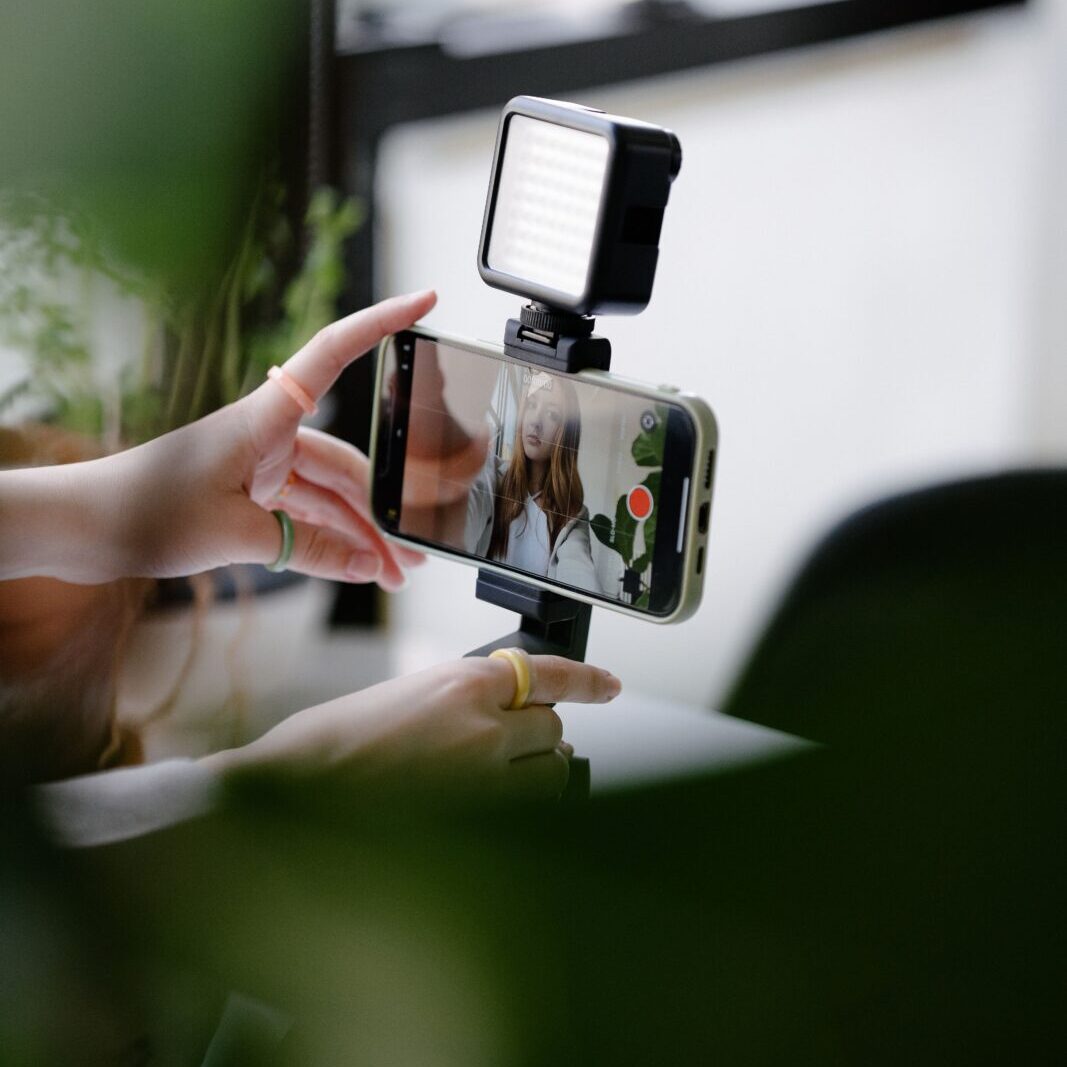
Photo by Mizuno K via Pexels
From general questions to potential IP misuse, choose the option that best fits your case.
Our team will review your submission and get back to you as soon as possible.