Your Passion, Our Protection
More than legal protection, we’re true partners to those shaping culture through creativity.




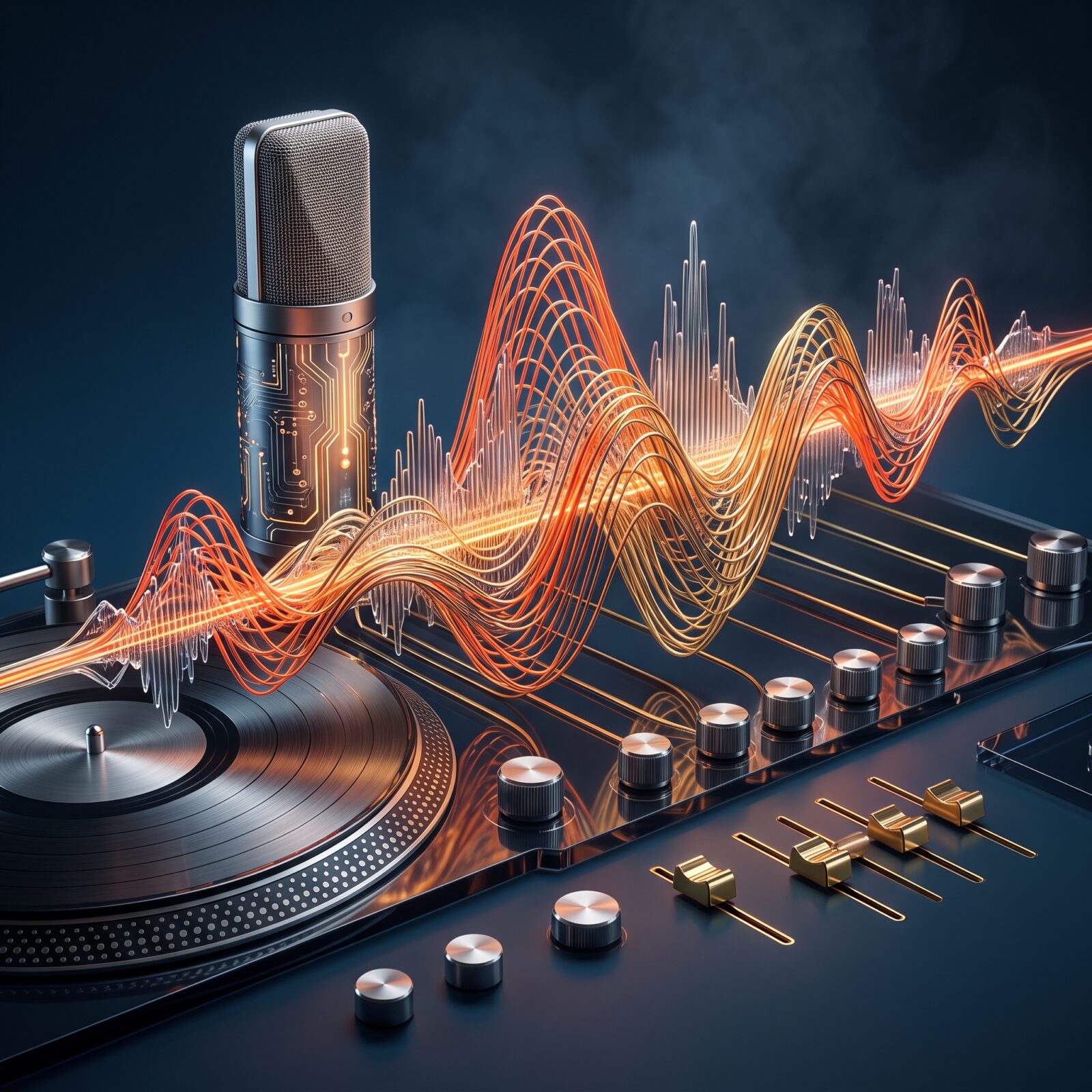

The rise of AI music generation has introduced a profound new layer of complexity into an already tangled landscape of music copyright on social media. In 2026, AI-generated music is not a fringe phenomenon—50,000 fully AI-generated tracks are uploaded to Deezer every single day, representing 34% of all daily song deliveries on the platform. Understanding who owns what in this new environment is no longer an academic question. It is a pressing legal and commercial reality.
 David S. Soriano, CC BY-SA 4.0, via Wikimedia Commons
The most important thing to understand about AI-generated music is the position of the U.S. Copyright Office. In its January 2025 Part 2 report on AI and copyright, the Office stated clearly that "prompts alone do not provide sufficient human control to make users of an AI system the authors of the output." In plain English: if you type a description into Suno, Udio, or any other AI music generator and click "create," the resulting music is not copyrightable. It belongs to no one. It enters the public domain the moment it is generated.
This creates a startling practical reality: any AI-generated track that lacks sufficient human creative contribution can be legally used by anyone without permission, payment, or attribution. For brands and content creators, this seems like a windfall. For independent musicians competing against unprotected AI content flooding streaming and social platforms, it is a threat to their livelihoods.
The Copyright Office draws a critical distinction between AI-generated works and AI-assisted works. Human-authored elements in an AI-assisted creation can still receive copyright protection. This includes:
The key is that AI must function as a tool serving human creative vision, not as a substitute for human creativity. Apple Music launched "Transparency Tags" in March 2026—an optional metadata system allowing artists to flag AI involvement in tracks—signaling that disclosure and human authorship documentation are becoming industry norms.
Beyond the question of AI output ownership lies a deeper crisis: the unlicensed use of independent artists' work to train AI music models. Major labels filed lawsuits against Suno and Udio in 2024, alleging that these platforms trained their models on copyrighted recordings without permission. By late 2025, Universal Music Group settled with Udio, and Warner settled with both Udio and Suno—establishing licensing partnerships with opt-in provisions for artists signed to those labels.
Independent artists were largely excluded from these deals. As Forbes reported in December 2025, these settlements created a "division: artists affiliated with settling major labels have a degree of protection and potential compensation, although... contributions of numerous creators remain unrecognized and uncompensated in their training data." Independent class action suits against Suno continue, with oral arguments scheduled into 2026.
Google moved in June 2026 to dismiss a lawsuit from independent musicians over its Lyria 3 AI model, arguing that artists who uploaded music to YouTube had already granted Google a license that covers AI training use. The outcome of this case could fundamentally reshape the rights landscape for every independent artist who has ever distributed music through YouTube.
For social media users deploying AI music in commercial content, the legal exposure comes from multiple directions:
 jaydeep_, CC0, via Wikimedia Commons
For independent artists:
For brands and creators using AI music:
The AI music era is not the end of music copyright—it is a reshaping of it. Stay informed as rulings from UMG v. Suno (expected summer 2026) and GEMA v. Suno (June 2026) set new precedents that will define the landscape for years to come.
From general questions to potential IP misuse, choose the option that best fits your case.
Our team will review your submission and get back to you as soon as possible.