Your Passion, Our Protection
More than legal protection, we’re true partners to those shaping culture through creativity.





 Neve Sweden, CC BY-SA 3.0, via Wikimedia Commons
Podcast content is everywhere on social media in 2026. Short clips from popular shows dominate Instagram Reels, TikTok, and YouTube Shorts, with creators and brands repurposing interview moments, commentary snippets, and highlight reels for maximum engagement. But this seemingly harmless cross-platform content strategy hides a serious copyright exposure that most podcasters and social media teams never think about: the music underneath.
Most professional podcasts use intro music, transition bumpers, and background music throughout their episodes. When clips of that podcast content are extracted and posted to social media, the music travels with the audio. If that background track was licensed for podcast distribution only—which is the most common licensing structure—its use in a standalone social media clip constitutes a new, separate act of copyright infringement.
Podcast music licenses are typically narrow. A license from a stock music service like Soundstripe or PremiumBeat covers use "in a podcast," but this does not automatically extend to social media clips derived from that podcast. The Copyright Alliance confirms there is "no minimum amount of music you can use without getting permission"—meaning even a three-second instrumental sting in a clip can trigger liability if the licensing does not cover social media distribution.
Many podcast creators believe that using short clips of copyrighted music falls under fair use. This is a dangerous assumption. Fair use is a legal defense evaluated on four factors: the purpose and character of the use (commercial vs. non-commercial), the nature of the copyrighted work, the amount used, and the market effect on the original. Simply being short does not make a clip fair use—particularly when the clip is used commercially to promote a brand, product, or service.
Courts have consistently rejected the "short clip" defense in music copyright cases. The U.S. Copyright Office explicitly states that "using any portion of copyrighted material for a podcast without permission may be copyright infringement if an exception or limitation on the copyright owner's rights does not apply." There is no magic threshold—not 10 seconds, not 30 seconds, not any other number that circulates as myth in creator communities.
 Nithinan Tatar, TH, CC BY 4.0, via Wikimedia Commons
A related trap affects brands that repurpose podcast appearances for social media promotion. When a CEO appears on a popular podcast and the PR team clips the moment to post on the company's Instagram, they may be infringing both the podcast's audio copyright (owned by the podcast producer) and any music rights embedded in that content. Licenses granted to a podcast for broadcast do not transfer to a third party for commercial social media use.
The 2025 Copyright Claims Board ruling in favor of podcasters in one fair use case offered some relief for commentary-driven content, but this ruling was narrow and fact-specific. It does not provide blanket protection for commercial social media repurposing of podcast clips.
Research published in early 2025 identified a trend of "fake podcast clips"—short videos styled to look like professional podcast snippets but created specifically for social media. These fake formats often use unlicensed background music to create a polished, broadcast-quality feel. When brands adopt this format for commercial content, they carry full copyright liability for any music embedded in the production, with no podcast licensing umbrella to provide even partial coverage.
For podcasters:
For brands repurposing podcast appearances:
For social media teams:
The podcast clip is one of social media's most overlooked copyright liabilities. The solution is straightforward: verify your licenses cover every platform where your content lives.
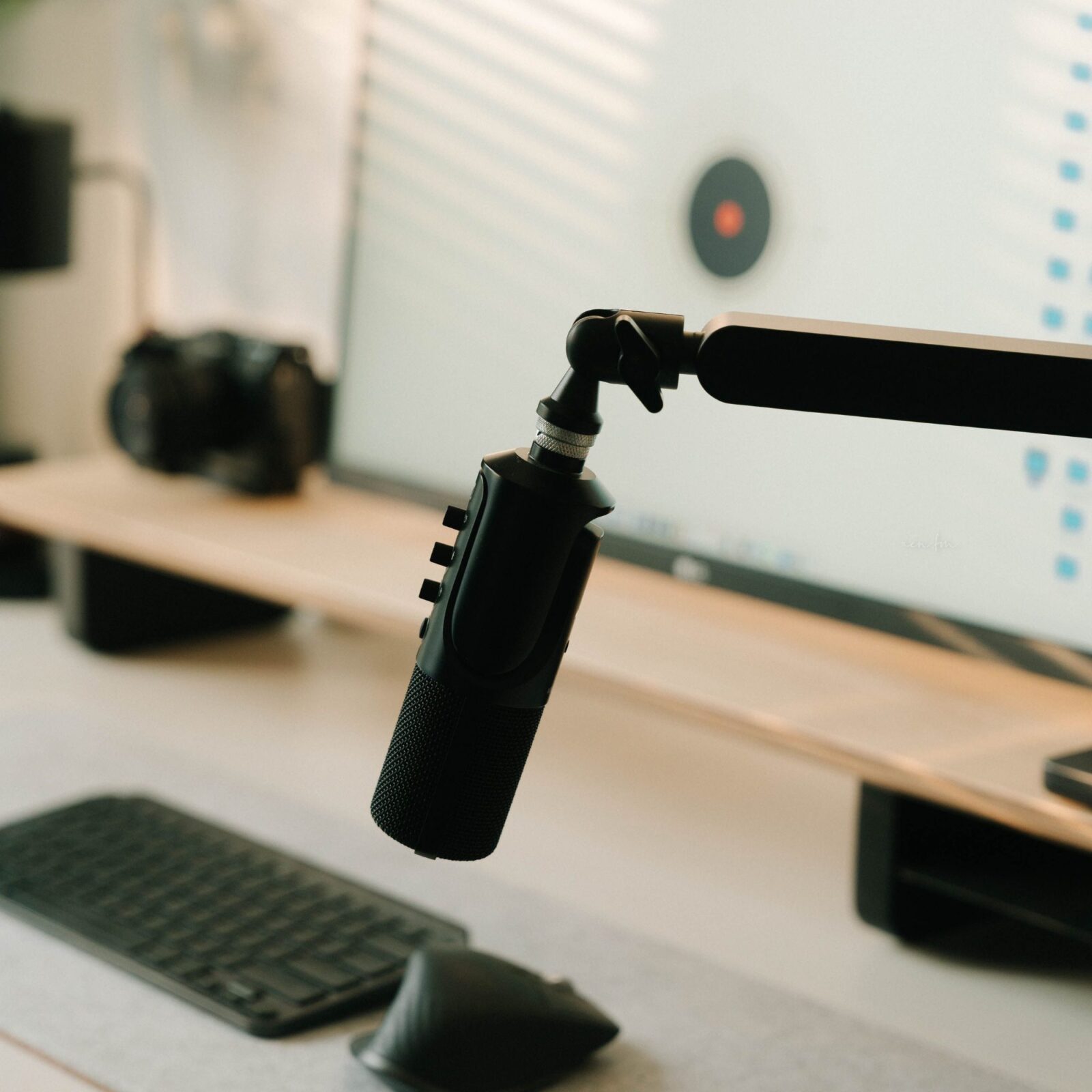
Featured Image from Alpha on Pexels
From general questions to potential IP misuse, choose the option that best fits your case.
Our team will review your submission and get back to you as soon as possible.