Your Passion, Our Protection
More than legal protection, we’re true partners to those shaping culture through creativity.


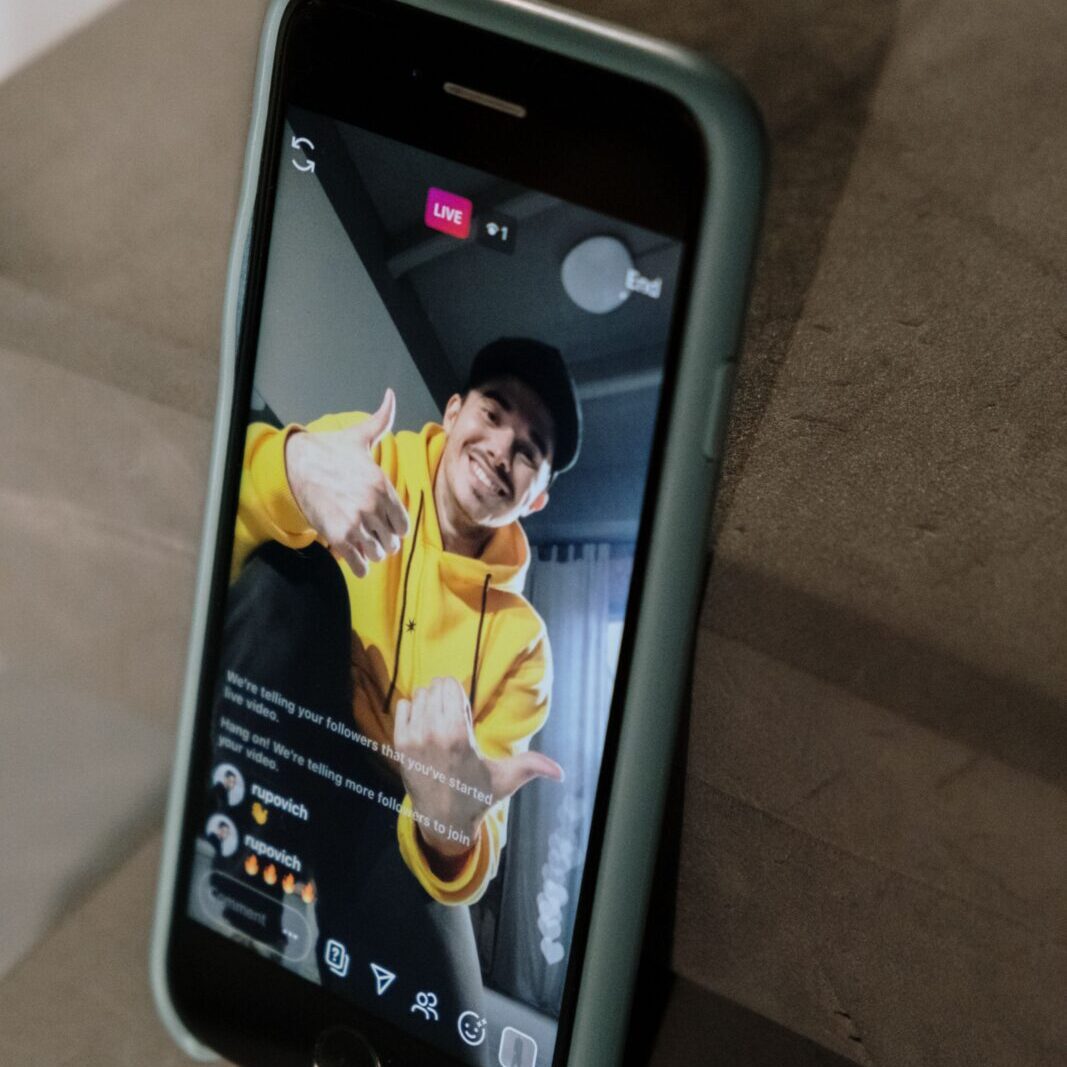

 Solen Feyissa, CC BY-SA 2.0, via Wikimedia Commons
TikTok has become the world's premier stage for dance culture. From the Renegade to the latest viral routines racking up billions of views in 2026, the platform thrives on movement, rhythm, and shared music. But beneath the fun lies a legal minefield that brands, influencers, and even casual creators are stumbling into at great cost.
Every TikTok dance video using a commercial song implicates two separate copyrights: the musical composition (melody and lyrics, owned by the songwriter or publisher) and the sound recording (the specific recorded version, typically owned by a record label). Using music without licenses for both rights is infringement—regardless of how that song appeared in TikTok's interface.
This is the core confusion. When TikTok licenses music from labels and publishers, those agreements cover personal, non-commercial use only. The moment a video becomes commercial content—sponsored posts, brand promotions, paid partnerships, product placements, or monetized accounts using the track to drive commercial activity—the platform license evaporates. Brands and influencers need separate synchronization and master use licenses for every commercial use.
The legal complexity compounds further when original choreography enters the picture. Under the U.S. Copyright Act of 1976, choreographic works are among the eight categories of copyrightable works. If you create an original TikTok dance and post it, that choreography is automatically copyrighted to you the moment it is fixed in a tangible form—meaning the moment you post the video.
Legal experts at Berklee Online note that "sweeping infringement often requires showing that accused work copied substantial, recognizable parts of the original choreography, which can be subjective." This means viral challenge dances—where one creator's specific moves are replicated by millions—can create layered copyright claims: the original choreographer may have rights to the dance itself, while music rights holders control the soundtrack underneath.
However, a critical nuance applies: individual movements are not copyrightable. Everyday gestures, isolated poses, and generic steps cannot be owned. Only specific, creative combinations of movements that exhibit originality and have been recorded or notated may qualify for protection.
 Minnesota Historical Society, CC BY-SA 2.0, via Wikimedia Commons
TikTok updated its Commercial Music Library (CML) policies in 2025, explicitly requiring business accounts to use only CML-cleared tracks for any commercial content. Personal accounts retain access to the broader general music library for non-commercial posts. The distinction seems simple, but enforcement reveals the gap: TikTok does not always prevent business accounts from selecting general library music, placing the legal burden squarely on the account holder.
A brand that assigns its social media team to select trending sounds for challenge campaigns—without music counsel review—is a lawsuit waiting to happen. A single post using ten different songs in a multi-video brand challenge campaign could expose the company to statutory damages of $7,500 to $300,000 at standard rates, and up to $1.5 million for willful infringement.
 NASA Earth Observatory, Public domain, via Wikimedia Commons
In 2024, Sony Music sued Marriott International over unlicensed music in more than 900 influencer campaigns, seeking over $139 million in damages. Similar suits have targeted Gymshark, Bang Energy, and Crumbl Cookies. None of these companies set out to infringe—they simply failed to understand where platform licenses end and commercial licensing obligations begin.
For independent music producers, TikTok dances represent both opportunity and risk. A viral challenge using your track can generate massive exposure—but if brands are profiting commercially from your sound without a license, you are being robbed. Enable Content ID through your distributor, register your copyright with the U.S. Copyright Office, and monitor your tracks using detection tools like CoverNet or ACRCloud.
If you are a creator or brand:
If you are an independent artist:
The TikTok dance floor is exhilarating. The legal landscape underneath it is not. Know the rules before you step on it.
Featured Image by cottonbro studio from pexels
From general questions to potential IP misuse, choose the option that best fits your case.
Our team will review your submission and get back to you as soon as possible.